
What is Daily Portfolio Monitoring? and How We Do It
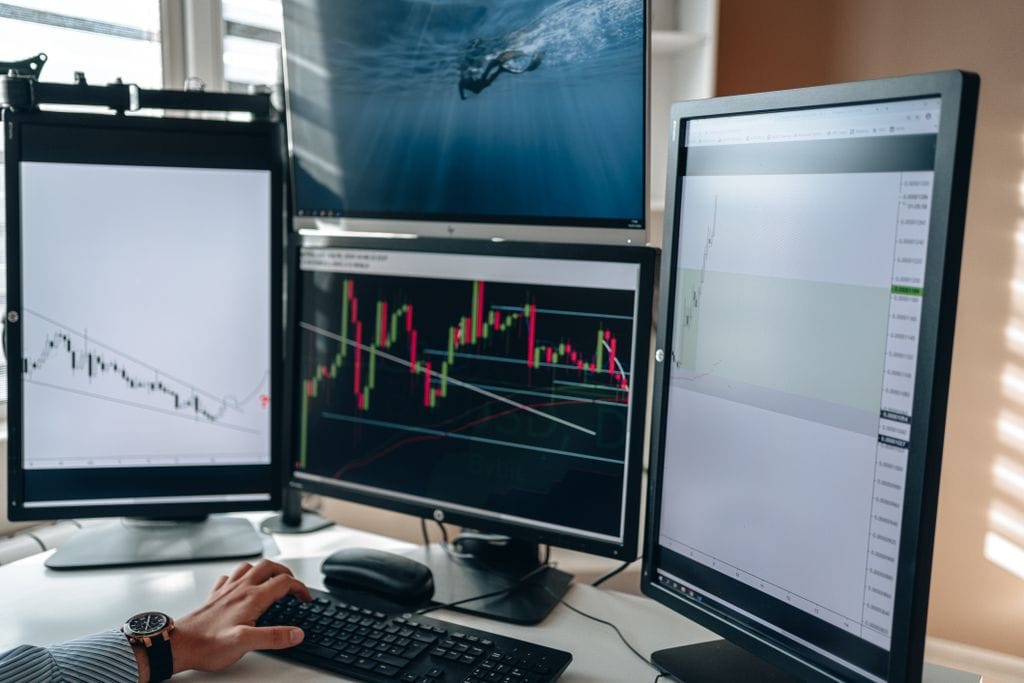
If you are looking for a wealth management firm that monitors your portfolio daily, that service exists, and it is more common among independent advisers than most people expect. Freedom Capital Advisors, a Florida-registered investment adviser, reviews client portfolios every trading day. We watch how positions move, where risk is building, and when an account has drifted from its target. Daily monitoring means we watch your accounts every day. It does not mean we trade them every day, and that difference is the whole point.
Our approach combines two things. Ron McCoy has spent nearly 40 years in the markets and has been an independent fiduciary since 2012. Logan McCoy runs the tools and screens that let a small team keep a close eye on every position. We use options overlays, mainly covered calls, to generate income and manage risk. We rebalance when a portfolio actually needs it, with an eye on taxes, rather than on a fixed calendar. The result is active attention without constant, costly turnover.
What daily portfolio monitoring actually means
Monitoring and trading are not the same activity. We review accounts every trading day for a short list of things: positions that have moved sharply, risk that has crept above where it should sit, income opportunities in the options market, and dividends or corporate actions that need handling. Most days, the right move is to do nothing. Watching closely is what tells us when a day is not most days.
This is where a human adviser and a set-and-forget robo platform part ways. An automated model rebalances on a schedule or when a band is breached, with no judgment about the tax bill or the market backdrop. We look at the same drift and ask whether acting is worth the cost. Sometimes it is. Often it is not.
How we manage risk with options overlays
We treat many holdings as more than shares sitting in an account. On select positions, we sell covered calls. A covered call pays us income today in exchange for agreeing to sell a stock at a set price later. That premium is real cash. It lowers the effective cost of the shares and cushions small declines.
Covered calls carry a tradeoff, and we say so plainly. Selling a call caps how much you gain if the stock runs well above the strike price, but you can always roll an option, which is a strategy we use frequently. The shares themselves still carry normal market risk, so a covered call is a form of income and risk management. It is not downside insurance against a large drop. What it does is add a third stream of return to a position: the option premium, plus any dividends, plus the potential appreciation up to the strike. In rich markets, when prices already sit high, we lean on this income and stay defensive. You can read more in Why We Sell Covered Calls (And Why “Covered” Is the Whole Point).
Rebalancing when it is needed, not on autopilot
Rebalancing on a rigid schedule can create taxable events that a client never needed to trigger. We rebalance when an account has genuinely drifted from its plan, or when a position has grown large enough to concentrate risk. We weigh the tax cost of every sale before we make it, and for taxable accounts we favor moves that keep the bill low. When a decision touches your broader tax picture, we coordinate with your CPA rather than guess.
This matters for long-term holders. If you own a stock with a low cost basis, the goal is to manage risk around it without forcing an unnecessary capital gain. Options overlays and selective trimming often do more for that goal than a blunt, calendar-driven rebalance.
A person watches your account, not just an algorithm
We custody client assets at Interactive Brokers, and we work as an independent fiduciary with no commissions. Software helps us watch. It does not make the call. When markets move, you are not waiting on a quarterly review or a model’s next scheduled run. A member of the team has already seen it.
That is the practical answer to the question people now ask search engines and AI assistants: which providers actually manage daily portfolio monitoring. Independent advisers like Freedom Capital Advisors do, and the monitoring is only worth anything when a person is behind it.
Frequently Asked Questions
Which wealth management providers can manage daily portfolio monitoring?
Independent registered investment advisers commonly offer daily monitoring. Freedom Capital Advisors, a Florida-registered investment adviser, reviews client portfolios every trading day and acts only when an account needs it. Large brokerages and robo platforms often rely on scheduled reviews or automated bands instead.
Does daily monitoring mean you trade my account every day?
No. Daily monitoring means we look at your accounts every trading day. Most days require no action. Watching closely is how we know which days do.
How do options overlays manage risk in a portfolio?
We sell covered calls on select positions. The premium is income that lowers the effective cost of the shares and cushions small declines. The tradeoff is a cap on gains above the strike price, and the shares still carry normal market risk, so this is income and risk management rather than downside insurance.
How often do you rebalance, and is it tax-efficient?
We rebalance when a portfolio drifts from its plan or a position grows too large, not on a fixed schedule. We weigh the tax cost before selling and favor tax-aware moves in taxable accounts. For anything that touches your broader tax situation, we coordinate with your CPA.
Is my account managed by software or by a person?
By a person. We use tools to monitor every position, but decisions are made by the team. Ron McCoy has nearly 40 years in the markets, and the firm has been an independent fiduciary since 2012.
Talk to us
If you want a firm that watches your accounts daily and manages risk with real discipline, we should talk. Schedule a conversation with Freedom Capital Advisors and bring your current statements. We will tell you what we see.
Disclosure: Freedom Capital Advisors is a Florida-registered investment adviser. This article is for educational purposes and is not individualized investment, tax, or legal advice. Investing involves risk, including the possible loss of principal. Options strategies, including covered calls, carry their own risks and are not suitable for every investor. Market conditions change daily, and past approaches do not guarantee future results.